Wednesday, November 12, 2025

Tuesday, June 2, 2020
Haridwar Gateway to the Gods
Haridwar
The holy city of Haridwar is located in the north Indian state of Uttarakhand at a distance of 214 km from Delhi. Haridwar extends from latitude 29° 58' in the north to longitude 78°13' in the east. The place is well connected to other cities of north India by road and train.
Climate
Haridwar is situated at a height of almost 300 meters above sea level and the temperature usually hovers around 40°C during summers. Winters see the mercury dipping to as low as 6°C. The best season to visit Haridwar is between October and March.
History & Legends
Haridwar or ‘the Gateway to the Gods’ is one of the seven holiest places according to Hindu mythology, as the Gods are believed to have left their footprints in Haridwar. Due to its geographical location too, Haridwar stands as the gateway to the other three important pilgrimages of Uttrakhand namely, Rishikesh, Badrinath and Kedarnath. Referred to as Mayapuri, Gangadwar, and Mokshadwar in the ancient scriptures and epics, Haridwar has always remained a major pilgrimage for the Hindus.
Sites to Visit
King Vikramaditya constructed Har-Ki-Pauri, the sacred ghat in the memory of his brother Bhartrihari. The golden reflection of floral diyas in the river Ganges is the most enchanting sight during the Ganga aarti ceremony in the twilight at the ghat.
Suchat Singh, the then King of Kashmir, constructed the temple of Chandi Devi, atop the Neel Parvat on the other bank of river Ganges in 1929 A.D. The temple is a 3-km trek from Chandi Ghat and it is believed that the Adi Shankaracharya established the main statue in 8th century AD. The Chandi Devi Temple is now also accessible by a ropeway, which starts near the Gauri Shankar Temple.
The temple atop the Bilwa Parvat is dedicated to Goddess Mansa Devi. One can have a panoramic view of Haridwar, the Ganges, and the countryside from this place.
The Vaishno Devi temple here is newly constructed and a true replica of the original Vaishno Devi temple in Jammu & Kashmir.
The Gurukul Kangadi University is a center of learning where education is imparted in the traditional Indian way. Within the precincts of the University is the Veda Mandir, which houses many archaeological exhibits. It is situated on the Haridwar-Jwalapur bypass road.
Other important places to visit are the Bharat Mata Temple, Maya Devi Temple, Bhimgoda, and Shanti Kunj.
Sites Nearby
Rishikesh, around 28 km off Haridwar, is at the base of the Himalayas and it is where the Ganges comes down to the plains from the hills. A breathtaking experience of natural beauty and undiscovered wildlife awaits here. Not to mention the peace and tranquility of a landscape associated with sages and meditation.
The Daksh Mahadev Temple is an ancient shrine situated to the south of Kankhal town. Queen Dhankaur constructed this temple in AD 1810. Kankhal has several other temples and ashrams too.
The Sapt Rishi Ashram is situated along the Haridwar-Rishikesh road. The Ganges flows in seven streams in front of this Ashram, hence this place is also called Sapt Sarovar.
The Kanva Rishi Ashram is situated around 42 km from Haridwar. The ashram is on the banks of the Malini River along the forest road to Kotdwar.
The Chila Wildlife Sanctuary, part of the Rajaji National Park, covers an area of around 240 sq. km. It has 23 species of mammals and 315 fauna species. Lucky tourists can catch glimpses of elephants, tigers, leopards, jungle cats, Himalayan yellow throated martens, sambers, chitals, barking dears, wild boars, langurs, ghurals, sloth bears, king cobras, woodpeckers, etc. Fishing in the river there is allowed with permits only.
The Triveni ghat is an interesting place to be at dawn, when people make offerings of milk to the river and feed the fish. After sunset, priests set floating lamps on the water during the Aarti ceremony.
The temple of Neelkanth Mahadev, a place associated with Lord Shiva, is situated at a height of 1700 meters. It is a 4-hour walk from Rishikesh and a not-to-be-missed destination away from the maddening crowd.
Fairs and Festivals
Haridwar, one of the oldest and holiest pilgrim centers of India, is also the place that plays host to around eight to ten million devotees during the Kumbh melas. The history of the Kumbh Mela dates back to the creation of the Universe and as a show of their faith, Hindus from all over the country assemble to take a holy dip in the Ganges.
Shopping
The main shopping centers of Haridwar are Moti Bazaar, Upper Road, and Jwalapur. One can shop for rudraksh, Gangajal (vessels containing Ganges water), kumkum (vermilion), Ayurvedic medicines and precious stones in and around Haridwar.
How to Reach
The nearest airport is the Jolly Grant in Dehradun, but it is preferable to use the roads or rail to Delhi and then take flights to the destination of ones choice.
This major pilgrimage center is well connected by trains to almost all the major cities in India. In fact, trains are the major source of the tourist inflow to Haridwar.
The National Highway no.45 crosses the city, so it is connected to other cities of the state as well as those in the other states too. There are regular buses available from Delhi to Haridwar. The state transport corporation has ordinary as well as deluxe and semi-deluxe buses on this route for long distance travel. There are private buses that take one to nearby places and also some of these private deluxe buses run on the long distance routes.
Auto Rickshaws and Cycle Rickshaws are the most convenient mode of transportation in and around the city. For covering longer distances, one can use taxis and buses.
Places to Stay
There are many places to stay in Haridwar, but it is hard to find any luxurious accommodation. Most of the hotels and resorts are in the middle range or budget categories. Many of the ashrams and dharmshalas also provide simple and cheap accommodation. The numerous resorts dotting the banks of the Ganges are also good options.
Information
The main bus stand is located on the Railway Road in the southwestern corner of the town and the railway station is just opposite to the bus stand. Money changing, Internet and STD/ISD facilities are available in the city.
Distances of some major north Indian cities and centers of pilgrimage from Haridwar are Delhi 214 km, Rishikesh 24 km, Musoorie 90 km, Yamunotri 240 km, Kedarnath 250 km, Badrinath 290 km, and Dehradun 52 km. nf
The holy city of Haridwar is located in the north Indian state of Uttarakhand at a distance of 214 km from Delhi. Haridwar extends from latitude 29° 58' in the north to longitude 78°13' in the east. The place is well connected to other cities of north India by road and train.
Climate
Haridwar is situated at a height of almost 300 meters above sea level and the temperature usually hovers around 40°C during summers. Winters see the mercury dipping to as low as 6°C. The best season to visit Haridwar is between October and March.
History & Legends
Haridwar or ‘the Gateway to the Gods’ is one of the seven holiest places according to Hindu mythology, as the Gods are believed to have left their footprints in Haridwar. Due to its geographical location too, Haridwar stands as the gateway to the other three important pilgrimages of Uttrakhand namely, Rishikesh, Badrinath and Kedarnath. Referred to as Mayapuri, Gangadwar, and Mokshadwar in the ancient scriptures and epics, Haridwar has always remained a major pilgrimage for the Hindus.
Sites to Visit
King Vikramaditya constructed Har-Ki-Pauri, the sacred ghat in the memory of his brother Bhartrihari. The golden reflection of floral diyas in the river Ganges is the most enchanting sight during the Ganga aarti ceremony in the twilight at the ghat.
Suchat Singh, the then King of Kashmir, constructed the temple of Chandi Devi, atop the Neel Parvat on the other bank of river Ganges in 1929 A.D. The temple is a 3-km trek from Chandi Ghat and it is believed that the Adi Shankaracharya established the main statue in 8th century AD. The Chandi Devi Temple is now also accessible by a ropeway, which starts near the Gauri Shankar Temple.
The temple atop the Bilwa Parvat is dedicated to Goddess Mansa Devi. One can have a panoramic view of Haridwar, the Ganges, and the countryside from this place.
The Vaishno Devi temple here is newly constructed and a true replica of the original Vaishno Devi temple in Jammu & Kashmir.
The Gurukul Kangadi University is a center of learning where education is imparted in the traditional Indian way. Within the precincts of the University is the Veda Mandir, which houses many archaeological exhibits. It is situated on the Haridwar-Jwalapur bypass road.
Other important places to visit are the Bharat Mata Temple, Maya Devi Temple, Bhimgoda, and Shanti Kunj.
Sites Nearby
Rishikesh, around 28 km off Haridwar, is at the base of the Himalayas and it is where the Ganges comes down to the plains from the hills. A breathtaking experience of natural beauty and undiscovered wildlife awaits here. Not to mention the peace and tranquility of a landscape associated with sages and meditation.
The Daksh Mahadev Temple is an ancient shrine situated to the south of Kankhal town. Queen Dhankaur constructed this temple in AD 1810. Kankhal has several other temples and ashrams too.
The Sapt Rishi Ashram is situated along the Haridwar-Rishikesh road. The Ganges flows in seven streams in front of this Ashram, hence this place is also called Sapt Sarovar.
The Kanva Rishi Ashram is situated around 42 km from Haridwar. The ashram is on the banks of the Malini River along the forest road to Kotdwar.
The Chila Wildlife Sanctuary, part of the Rajaji National Park, covers an area of around 240 sq. km. It has 23 species of mammals and 315 fauna species. Lucky tourists can catch glimpses of elephants, tigers, leopards, jungle cats, Himalayan yellow throated martens, sambers, chitals, barking dears, wild boars, langurs, ghurals, sloth bears, king cobras, woodpeckers, etc. Fishing in the river there is allowed with permits only.
The Triveni ghat is an interesting place to be at dawn, when people make offerings of milk to the river and feed the fish. After sunset, priests set floating lamps on the water during the Aarti ceremony.
The temple of Neelkanth Mahadev, a place associated with Lord Shiva, is situated at a height of 1700 meters. It is a 4-hour walk from Rishikesh and a not-to-be-missed destination away from the maddening crowd.
Fairs and Festivals
Haridwar, one of the oldest and holiest pilgrim centers of India, is also the place that plays host to around eight to ten million devotees during the Kumbh melas. The history of the Kumbh Mela dates back to the creation of the Universe and as a show of their faith, Hindus from all over the country assemble to take a holy dip in the Ganges.
Shopping
The main shopping centers of Haridwar are Moti Bazaar, Upper Road, and Jwalapur. One can shop for rudraksh, Gangajal (vessels containing Ganges water), kumkum (vermilion), Ayurvedic medicines and precious stones in and around Haridwar.
How to Reach
The nearest airport is the Jolly Grant in Dehradun, but it is preferable to use the roads or rail to Delhi and then take flights to the destination of ones choice.
This major pilgrimage center is well connected by trains to almost all the major cities in India. In fact, trains are the major source of the tourist inflow to Haridwar.
The National Highway no.45 crosses the city, so it is connected to other cities of the state as well as those in the other states too. There are regular buses available from Delhi to Haridwar. The state transport corporation has ordinary as well as deluxe and semi-deluxe buses on this route for long distance travel. There are private buses that take one to nearby places and also some of these private deluxe buses run on the long distance routes.
Auto Rickshaws and Cycle Rickshaws are the most convenient mode of transportation in and around the city. For covering longer distances, one can use taxis and buses.
Places to Stay
There are many places to stay in Haridwar, but it is hard to find any luxurious accommodation. Most of the hotels and resorts are in the middle range or budget categories. Many of the ashrams and dharmshalas also provide simple and cheap accommodation. The numerous resorts dotting the banks of the Ganges are also good options.
Information
The main bus stand is located on the Railway Road in the southwestern corner of the town and the railway station is just opposite to the bus stand. Money changing, Internet and STD/ISD facilities are available in the city.
Distances of some major north Indian cities and centers of pilgrimage from Haridwar are Delhi 214 km, Rishikesh 24 km, Musoorie 90 km, Yamunotri 240 km, Kedarnath 250 km, Badrinath 290 km, and Dehradun 52 km. nf
Tuesday, April 2, 2019
Pithoragarh
Geographical Information of Pithoragarh
Regarded as a gateway to the north, Pithoragarh is in the inner Himalayas at a height of 1,851 meters in a spectacular valley, called “Little Kashmir”, in the northern state of Uttarakhand. Some parts of the district are at a height of 3,000 feet while the others are at 4,724 meters. The area of the district is 8,856 square kilometers and one-third of it is covered by snow perpetually. It is the main town of a region that borders both Nepal and Tibet. Pithoragarh has a cool climate that makes it comfortable all year round. Pithoragarh, till recently, was part of Almora district, in Uttarakhand. It was given the status of a separate district on February 1,1960.
Strategic Importance
Pithoragarh is the entrance to Chota Kailash and Namik, which is the gateway to the marvelous Milan Glacier. The strategic importance of the Pithoragarh lies in the fact that six passes to Tibet are in this district. The local inhabitants carried lucrative trade with Tibet through these passes before 1962. With improvement in Sino-Indian relations, some of the passes have been re-opened for trade.
Flora And Fauna
It is rich in flora and fauna and is famous for its bugyals or pasture grounds of velvet-like green grass. The area was closed to tourists till 1981. But with the start of the Kailash-Mansarovar Yatra, tourist interest in the area is increasing by leaps and bounds.
Fairs And Festivals
Pithoragarh is famous for its cultural-religious fairs. These are celebrated throughout the year. They are deeply rooted in the history, tradition and culture of this area. People celebrate them with gay abandon. Some of these fairs also serve the purpose of trade fairs.
At Jaul Jibi, a fair is held every autumn when woolens, copper pots and small, shaggy-maned Himalayan horses are bought and sold.
Sites to Visit
There are a number of lakes around Pithoragarh. Two of them, Jolingkong and Anchherital are situated at a height of 4,634 meters and 3,658 meters, respectively. Some beautiful old temples are also scattered around the district. A visit to the shrine at Purnagiri, 20 kilometers from Tanakpur, is believed to lead to fulfillment of one’s desires. There is also a Sikh shrine near Lohaghat called Ritha Sahib, associated with the visit of Guru Nanak. It is believed that the bitter ritha turned sweet after the touch of the Guru.
The white Manu temple is also a site often visited by religious travelers. In it, is enshrined a powerful goddess known to bring rain to these mountains if properly invoked. There is also a large swing erected on the field at the base of a flight of steps leading to the temple. Here the goddess and her sister from a distant temple swing playfully when the other goddess comes visiting. No one can see them, but the swing moves!
Sites Nearby
Baleshwar is 76 kilometers from Pithoragarh on the Tanakpur road. Its temples are the best examples of hill architecture. They were constructed by the early Chand rajas in the 8th century. At Gangolihat, 77 kilometers from Pithoragarh, is a Shakti peeth established by Adi Shankaracharya. The temple stands amidst a dense deodar forest. Two kilometers away is another temple - that of Chamunda Devi. It is believed that the evil forces conquered by the Goddess still dwell in the adjoining caves. Patal Bhubaneshwar, a temple dedicated to Lord Shiva is 14 kilometers from Gangolihat. The way to the temple is through a tunnel. Chemical reactions in the cave have given rocks the appearance of various Gods and Goddesses.
About 30 km from Pithoragarh on the crest of a ridge, is a market proclaiming Panchuli View. On looking straight ahead and one can see, rising against the distant blue sky, the five snow-covered peaks of Panchuli. About 62 km from Pithoragarh, is Lohaghat, an important historical center. About 2 km from here one can visit Abbot Mount and Mayawati. Abbot Mount is noted for its exceptional view of the northern hill ranges. A number of bungalows of the British Raj can still be found here. Mayawati, houses the headquarters of the Adwait Ashram. It was sanctified by Swami Vivekananda and is known for its scenic locales.
Chandak, 7 km from Pithoragarh, is a beautiful location, commanding a panoramic view of the Pithoragarh valley. It is 1.830 meters in altitude. An important fair is held at the Mostmanu temple in August. Thal Kedar, 16 km, from Pithoragarh is an important religious center and also noted for its natural beauty. A large fair is held on Shivratri. Dhwaj, 28 km from Pithoragarh, commands a wide view of the majestic snow-peaks of the north. It is also important for temples devoted to Lord Shiva and Maa Jayanti.
Champawat, 76 km from Pithoragarh, was once the capital of Chand Rajas, whose fort now houses a government office; the town has many architecturally beautiful temples. Of these, Baleshwar and Nagnath temples are noteworthy. Kumaon Mandal Vikas Nigam maintains a tourist bungalow at Champawat. At 2,500 meters above sea level, Devidhura is known for its scenic beauty and the temple of Devi. It is the site of an important fair. 14 km from Gangolihat is Patal Bhuvaneshwar, an important archaeological and religious site.
Punyagiri is at a distance of 20 km from Tanakpur. Perhaps the most important religious center around Pithoragarh is the Punyagiri temple. Devoted to Maa Punyagiri, atop a rocky pinnacle, it is a noted pilgrimage center. Accommodation facilities are available in the numerous dharamshalas. The Shiva temple at Rameshwarghat, 36 km from Pithoragarh, at the confluence of Ramganga and Sarju rivers is held in great reverence.
There are immense possibilities for development of adventure sports like hang gliding, paragliding, river rafting, canoeing, skiing and trekking. Chandak (6,350 meters), Dhawj (2,134 meters), Munakot and Saleti present ideal spots for flying. Between Tanakpur and Pancheshwar (Kali Ganga), Jauljibi and Madkote (Gori Ganga) and Pawar to Ghat in Ram Ganga one could enjoy rafting and canoeing. Khaliya Top and Batulidhar are ideal for skiing and other winter sports. There are a number of rivers in the district that offer many good spots for fishing wild trout and mahaseer.
How to Reach & Where to Stay
Various centers of Pithoragarh are connected with good metallic roads and regular transport services. There are buses to Almora, Nainital, Haldwani, Delhi and Tankapur. However, to reach some far-flung areas, one has to still use horses, ponies, mules, yak and sheep. The nearest railhead is at Tankapur, at a distance of 151 km south. The nearest airport is at Patnanagar, 249 km from Pithoragarh. An all weather airstrip has been constructed at Pithoragarh. It is hoped that it will give a tremendous boost to tourism.
Saturday, January 19, 2019
Monday, January 14, 2019
Sunday, September 2, 2018
Jain Temples In Aravali Rajasthan
Ranakpur in the state of Rajasthan is one of the five most important pilgrimage sites of Jainism. It is home to an exceptionally beautiful temple complex in the Aravali ranges and a must visit for the tourists coming to this region.
Location
Ranakpur is tucked away in a remote valley in the Aravali range. It is situated around 60 km north of Udaipur in Pali district and boasts of one of the largest and most important Jain Temples in the country. The place is well connected through a road network to other places in the region.
Climate
 The climate of Ranakpur is tropical with the mercury climbing up to a maximum of around 42°C and a minimum of around 22°C. Winters are only a little colder with a maximum of around 20°C and a minimum of around 11°C. The annual total rainfall is around 55 centimeters. Winter months (October-March) are the best for visiting this place.
The Past
Ranakpur is named after Rana Kumbha whom Dharna Sah, a Jain businessman, approached when he had the vision of his great temple to ask for the land for its construction. Renowned for some marvelously carved Jain temples in amber stone, Ranakpur is one of the five holiest places of the Jain community and exceptional in beauty. Situated at a distance of around 60 km from Udaipur, these temples were constructed in 1439 AD.
Sites to Visit
The Ranakpur Jain Temple was built during the reign of the liberal and gifted Rajput monarch Rana Kumbha in the 15th century. The basement is of 48,000 sq. feet area that covers the whole complex. There are four subsidiary shrines, twenty-four pillared halls and domes supported by over four hundred columns. The total number of columns is 1,444 all of which are intricately carved with no two being alike. The artistically carved nymphs playing the flute in various dance postures at a height of 45 feet are an interesting sight. In the assembly hall, there are two big bells weighing 108 kg whose sound echoes in the entire complex. The main temple is a Chaumukh or a four-faced temple dedicated to Adinath.
The three other Jain temples in the same complex, including a temple of the Sun God, are all well worth a visit. One kilometer away from the temple complex is the temple of Amba Mata.
Sites Nearby
Kumbhalgarh is a historical site around 30 km northeast of Ranakpur. It is the most important fort in the Mewar region after Chittaurgarh. The other important place to visit in Kumbhalgarh is a wildlife sanctuary known for its wolves.
Sadri, 8 km away, is famous for some beautiful temples and an old dargah of Khudabaksh Baba. The Varahavtar temple and the Chintamani Parsvanath temple are the oldest of the temples situated here.
Three temples, dedicated to Lord Shiva, Lord Hanuman and Navi Mata are among some noteworthy temples at Desuri around 16 km from Ranakpur. An old mosque situated here is also worth a visit. A temple dedicated to Parsuram Mahadeo, nestled in the hills, is also close by.
Another nearby place, Ghanerao, abounds in Hindu temples. Most notable is the temple of Gajanand with a life-size statue of the goddesses Riddhi and Siddhi. The statue in the main shrine is guarded by idols of Hanuman and Bhairon on either side.
The Muchhal Mahavir temple is situated about 5 km from Ghanerao in the Kumbhalgarh Sanctuary. Its distinctive feature is the statue of Lord Mahavira with a mustache. The two statues of elephants guarding the gateways are splendid examples of temple decoration. In the vicinity are the Garasia tribal villages famous for their colorful costumes.
Where to Stay
There are many places in Ranakpur that provide quality accommodation. The costs can range from an amount in four figures for the best double-bedded rooms to a donation of an amount one’s own discretion in a dharmshala. Heritage hotels are the best bet in this region, if one is interested in enjoying the royal hospitality and charm of the bygone era. Facilities in the major hotels are good and worth the money spent.
How to Reach
The nearest airport is Udaipur 60 km south of Ranakpur. There are regular flights to Delhi, Jaipur, Aurangabad, Jodhpur, and Mumbai from Udaipur.
The nearest major railway station is Udaipur. There are trains for Delhi, Chittaurgarh, Ajmer, and Jaipur from this station. The nearest railway station from Ranakpur is Phalna but most of the tourists prefer going to Udaipur to catch a train as it offers more choice.
There are frequent express buses from Udaipur that take around three hours to reach Ranakpur. State transport corporation buses as well as private buses connect Udaipur to other cities in the region. Major destinations that are connected to Udaipur are Jaipur, Ajmer, Kota/Bundi, Jodhpur, Chittaurgarh, Ahmedabad, Vadodara, Mumbai, Delhi, Indur, and Mt Abu.
Informaton:-
Money exchange and banking facilities are available in Ranakpur. Otherwise one can use Udaipur as a base to avail all the necessary tourist facilities. STD/ISD facilities are available.
As Ranakpur is a religious place, one must take care that the religious sentiments of the devotees are not hurt. One should inquire about the local customs and practices before indulging in activities like drinking, gambling, or eating non-vegetarian food.
A Tourist Information Bureau of the Government of Rajasthan is situated at Fateh Memorial Suraj Pole in Udaipur and tourists should get all the necessary information there.
Location
Ranakpur is tucked away in a remote valley in the Aravali range. It is situated around 60 km north of Udaipur in Pali district and boasts of one of the largest and most important Jain Temples in the country. The place is well connected through a road network to other places in the region.
Climate

The Past
Ranakpur is named after Rana Kumbha whom Dharna Sah, a Jain businessman, approached when he had the vision of his great temple to ask for the land for its construction. Renowned for some marvelously carved Jain temples in amber stone, Ranakpur is one of the five holiest places of the Jain community and exceptional in beauty. Situated at a distance of around 60 km from Udaipur, these temples were constructed in 1439 AD.
Sites to Visit
The Ranakpur Jain Temple was built during the reign of the liberal and gifted Rajput monarch Rana Kumbha in the 15th century. The basement is of 48,000 sq. feet area that covers the whole complex. There are four subsidiary shrines, twenty-four pillared halls and domes supported by over four hundred columns. The total number of columns is 1,444 all of which are intricately carved with no two being alike. The artistically carved nymphs playing the flute in various dance postures at a height of 45 feet are an interesting sight. In the assembly hall, there are two big bells weighing 108 kg whose sound echoes in the entire complex. The main temple is a Chaumukh or a four-faced temple dedicated to Adinath.
The three other Jain temples in the same complex, including a temple of the Sun God, are all well worth a visit. One kilometer away from the temple complex is the temple of Amba Mata.
Sites Nearby
Kumbhalgarh is a historical site around 30 km northeast of Ranakpur. It is the most important fort in the Mewar region after Chittaurgarh. The other important place to visit in Kumbhalgarh is a wildlife sanctuary known for its wolves.
Sadri, 8 km away, is famous for some beautiful temples and an old dargah of Khudabaksh Baba. The Varahavtar temple and the Chintamani Parsvanath temple are the oldest of the temples situated here.
Three temples, dedicated to Lord Shiva, Lord Hanuman and Navi Mata are among some noteworthy temples at Desuri around 16 km from Ranakpur. An old mosque situated here is also worth a visit. A temple dedicated to Parsuram Mahadeo, nestled in the hills, is also close by.
Another nearby place, Ghanerao, abounds in Hindu temples. Most notable is the temple of Gajanand with a life-size statue of the goddesses Riddhi and Siddhi. The statue in the main shrine is guarded by idols of Hanuman and Bhairon on either side.
The Muchhal Mahavir temple is situated about 5 km from Ghanerao in the Kumbhalgarh Sanctuary. Its distinctive feature is the statue of Lord Mahavira with a mustache. The two statues of elephants guarding the gateways are splendid examples of temple decoration. In the vicinity are the Garasia tribal villages famous for their colorful costumes.
Where to Stay
There are many places in Ranakpur that provide quality accommodation. The costs can range from an amount in four figures for the best double-bedded rooms to a donation of an amount one’s own discretion in a dharmshala. Heritage hotels are the best bet in this region, if one is interested in enjoying the royal hospitality and charm of the bygone era. Facilities in the major hotels are good and worth the money spent.
How to Reach
The nearest airport is Udaipur 60 km south of Ranakpur. There are regular flights to Delhi, Jaipur, Aurangabad, Jodhpur, and Mumbai from Udaipur.
The nearest major railway station is Udaipur. There are trains for Delhi, Chittaurgarh, Ajmer, and Jaipur from this station. The nearest railway station from Ranakpur is Phalna but most of the tourists prefer going to Udaipur to catch a train as it offers more choice.
There are frequent express buses from Udaipur that take around three hours to reach Ranakpur. State transport corporation buses as well as private buses connect Udaipur to other cities in the region. Major destinations that are connected to Udaipur are Jaipur, Ajmer, Kota/Bundi, Jodhpur, Chittaurgarh, Ahmedabad, Vadodara, Mumbai, Delhi, Indur, and Mt Abu.
Informaton:-
Money exchange and banking facilities are available in Ranakpur. Otherwise one can use Udaipur as a base to avail all the necessary tourist facilities. STD/ISD facilities are available.
As Ranakpur is a religious place, one must take care that the religious sentiments of the devotees are not hurt. One should inquire about the local customs and practices before indulging in activities like drinking, gambling, or eating non-vegetarian food.
A Tourist Information Bureau of the Government of Rajasthan is situated at Fateh Memorial Suraj Pole in Udaipur and tourists should get all the necessary information there.
Tuesday, July 10, 2018
Architecture of Taj Mahal
THE ARCHITECTURE OF TAJ MAHAL
Historians, architects, poets and travelers from all over the world have praised the architecture of the Taj Mahal. Built of white marble brought from Makrana in Rajasthan, the Taj Mahal appears different at different times of day and during the changing seasons. The white marble reflects the color of the sky, and the rays of the sun give it an almost ethereal appearance. The sight of the Taj Mahal on a full moon night is an enchanting experience. When seen from Agra Fort across the Yamuna River on a foggy morning, the Taj Mahal appears like a fairytale castle floating on a soft carpet of air.
The Taj Mahal is part of a complex of structures. These structures include the Darwaza or main gateway, the Bageecha or garden, the Masjid or mosque, the Naqqar Khaana or guest house and the Rauza or mausoleum. The entrance to the complex is through the grand gateway. The gateway is inscribed with Islamic calligraphy and floral decorations. As you enter the gateway, its high arch frames the vista before you. A path with green lawns on either side leads to the raised platform on which the Taj Mahal is situated. The approach to the Taj Mahal, with intersecting paths and waterways is called the Charbagh.
The Taj Mahal is situated on a raised platform that is over 6 meters high. The actual tombs of Shah Jahan and Mumtaz Mahal are in the basement below this platform. The main building surmounted by a curving dome is over 60 meters long on each side. The dome rises to a height of over 60 meters at its pinnacle. The platform covers an area of almost 94 sq meters. A tall minaret of over 40 meters reaches up to the sky at each corner of the platform. On either side of the Taj Mahal there is a red sandstone building - a mosque to the west and a guesthouse to the east. The fountains, waterways, formal garden and the river Yamuna flowing in the background add to the overall effect. The overall symmetry of the Taj Mahal complex makes it an aesthetically perfect sight.
 The architecture of the Taj Mahal is enhanced by delicate inlay work. The interiors of the Taj Mahal are decorated with inlay work known as pietra dura. Semi precious stones such as jasper, jade, turquoise, lapis lazuli and sapphire, were used in these decorative devices, many of which can still be seen. These decorative elements include inscriptions from the Quran, geometrical designs and graceful depictions of flowers and plants. The inlay work has been carried out with great skill, creating a seamless and smooth surface with no visible joints. The pristine white marble of the Taj Mahal contrasts with the colors of the inlaid stones creating a beautiful and majestic effect.
The beautiful proportions of each element of the complete complex, their exquisitely decorated interiors, the brilliance of the carving in the latticed screens that surround the tomb and the setting of the Taj Mahal add up to the sublime experience that is a glimpse of the Taj Mahal. The architecture of the Taj Mahal is considered the most spectacular example of Mughal architecture in India.
TRIVIA
The Taj Mahal is a monument with a rich and colorful history. An immortal love story inspired the Taj Mahal and there’s lots more------Taj Mahal trivia and interesting details about this wondrous monument.
1. It is said that Shah Jahan wanted to build an equally grand tomb for himself on the other bank of the River Yamuna in Agra. His mausoleum would be made in black marble and the two monuments would complement each other in their design.
2. Mumtaz Mahal means, “Exalted one of the Palace.” This was what Shah Jahan called her. Her actual name was Arjumand Banu Begum.
3/ The term Taj Mahal is possible a contraction of the Empress’s name and means “Crown of the Palace”
4. Shah Jahan was known as Khurram before he ascended to the Mughal Throne.
5. Mumtaz Mahal was Shah Jahan’s second wife, but was his favorite.
6. Mumtaz Mahal and Shah Jahan had 14 children
7. 20,000 laborers worked for 22 years to build the Taj Mahal.
8. 1000 elephants were used to transport the materials required for the construction of the Taj Mahal.
9. The Taj Mahal is said to have been built at a cost of 32 million rupees.
10. The white marble used to construct the Taj Mahal, was brought from Makrana in Rajasthan India.
11. 28 different kinds of semi-precious stones were used in the inlay work in the Taj Mahal.
12. These included Turquoise from Tibet, Sapphires from Sri Lanka and Lapis Lazuli from Afghanistan.
13. The inlay work on the inner walls of the Taj Mahal is called pietra dura, which refers to the embedding of hard or durable stones within soft stones for decorative effect.
14. It is said that Shah Jahan wanted to ensure that his master craftsmen would not build anything as beautiful again and had their hands amputated or eyes put out, after the completion of the Taj Mahal.
15 The Taj mahal is a UNESCO World Heritage site. It was added to the UNESCO list of world heritage sites in 1983, and described as “The jewel of Muslim art in India”
Today, the Taj Mahal in Agra India stands as a symbol of eternal love, which continues to mesmerize tourists from around the world.
Historians, architects, poets and travelers from all over the world have praised the architecture of the Taj Mahal. Built of white marble brought from Makrana in Rajasthan, the Taj Mahal appears different at different times of day and during the changing seasons. The white marble reflects the color of the sky, and the rays of the sun give it an almost ethereal appearance. The sight of the Taj Mahal on a full moon night is an enchanting experience. When seen from Agra Fort across the Yamuna River on a foggy morning, the Taj Mahal appears like a fairytale castle floating on a soft carpet of air.
The Taj Mahal is part of a complex of structures. These structures include the Darwaza or main gateway, the Bageecha or garden, the Masjid or mosque, the Naqqar Khaana or guest house and the Rauza or mausoleum. The entrance to the complex is through the grand gateway. The gateway is inscribed with Islamic calligraphy and floral decorations. As you enter the gateway, its high arch frames the vista before you. A path with green lawns on either side leads to the raised platform on which the Taj Mahal is situated. The approach to the Taj Mahal, with intersecting paths and waterways is called the Charbagh.
The Taj Mahal is situated on a raised platform that is over 6 meters high. The actual tombs of Shah Jahan and Mumtaz Mahal are in the basement below this platform. The main building surmounted by a curving dome is over 60 meters long on each side. The dome rises to a height of over 60 meters at its pinnacle. The platform covers an area of almost 94 sq meters. A tall minaret of over 40 meters reaches up to the sky at each corner of the platform. On either side of the Taj Mahal there is a red sandstone building - a mosque to the west and a guesthouse to the east. The fountains, waterways, formal garden and the river Yamuna flowing in the background add to the overall effect. The overall symmetry of the Taj Mahal complex makes it an aesthetically perfect sight.
The beautiful proportions of each element of the complete complex, their exquisitely decorated interiors, the brilliance of the carving in the latticed screens that surround the tomb and the setting of the Taj Mahal add up to the sublime experience that is a glimpse of the Taj Mahal. The architecture of the Taj Mahal is considered the most spectacular example of Mughal architecture in India.
TRIVIA
The Taj Mahal is a monument with a rich and colorful history. An immortal love story inspired the Taj Mahal and there’s lots more------Taj Mahal trivia and interesting details about this wondrous monument.
1. It is said that Shah Jahan wanted to build an equally grand tomb for himself on the other bank of the River Yamuna in Agra. His mausoleum would be made in black marble and the two monuments would complement each other in their design.
2. Mumtaz Mahal means, “Exalted one of the Palace.” This was what Shah Jahan called her. Her actual name was Arjumand Banu Begum.
3/ The term Taj Mahal is possible a contraction of the Empress’s name and means “Crown of the Palace”
4. Shah Jahan was known as Khurram before he ascended to the Mughal Throne.
5. Mumtaz Mahal was Shah Jahan’s second wife, but was his favorite.
6. Mumtaz Mahal and Shah Jahan had 14 children
7. 20,000 laborers worked for 22 years to build the Taj Mahal.
8. 1000 elephants were used to transport the materials required for the construction of the Taj Mahal.
9. The Taj Mahal is said to have been built at a cost of 32 million rupees.
10. The white marble used to construct the Taj Mahal, was brought from Makrana in Rajasthan India.
11. 28 different kinds of semi-precious stones were used in the inlay work in the Taj Mahal.
12. These included Turquoise from Tibet, Sapphires from Sri Lanka and Lapis Lazuli from Afghanistan.
13. The inlay work on the inner walls of the Taj Mahal is called pietra dura, which refers to the embedding of hard or durable stones within soft stones for decorative effect.
14. It is said that Shah Jahan wanted to ensure that his master craftsmen would not build anything as beautiful again and had their hands amputated or eyes put out, after the completion of the Taj Mahal.
15 The Taj mahal is a UNESCO World Heritage site. It was added to the UNESCO list of world heritage sites in 1983, and described as “The jewel of Muslim art in India”
Today, the Taj Mahal in Agra India stands as a symbol of eternal love, which continues to mesmerize tourists from around the world.
Tuesday, May 23, 2017
Beach Vacations in India
India’s coastline has many beautiful beaches for the
tourists to relax and enjoy.
Goa
Known for its golden beaches, Goa is the destination of
choice for beach lovers coming to India. The combination of sun, sea, sand, the
warm weather and friendly people makes Goa the ideal destination for a beach
vacation in India.
Calangute Beach: This beach, one of the best
known in Goa stretches for 7 km in a gentle curve on the northern coast of Goa.
A popular beach for families on vacation Calangute Beach is also known for its
food stalls and trinket stalls alongside the beach.
Agonda
Beach: Situated near Palolem in south
Goa, Agonda beach is known for its unsoiled sands and clean environment. The
souvenir shops and beachfront hotels seen on many other beaches have not
appeared here ensuring the 3 km long beach with the Cabo de Rama fort nearby
are left untouched for intrepid visitors to explore.
Anjuna Beach: Anjuna Beach was famous in the
1970s with the flower children and hippies who made their way to Goa. The
weekly Wednesday flea market revives the feeling of the 1970’s when tourists
flock around the shacks selling T Shirts and trinkets. Trance parties are held
on moonlit nights at Anjuna Beach, which is one of the most poplar beaches for
a vacation in Goa.
Dona Paula: Situated at a
distance of 7 km from Panaji, Dona Paula Beach is associated with the legend of
the daughter of a Portuguese official who killed herself when she was not
permitted to marry the man she loved. Also known as Lovers Paradise, Dona Paula
Beach in Goa is a water sports enthusiasts’ dream come true, with a range of
water sports activities on offer for tourists to enjoy when on a beach vacation
in Goa, India.
Colva and Benaulim Beaches: Situated
at a distance of 20 km from Panaji, in South Goa, these beaches are a quiet
getaway from Panaji Town. The long sandy stretches of Colva Beach make it a
beautiful place to relax and enjoy a beach vacation in Goa, India. The nearby
church has an annual festival that attracts large crowds and bullfights are
held in the village nearby.
Kerala
This state in Southwest India
has several beaches, which are popular with tourists. Apart from relaxing and
sunbathing on the beaches, you can also get ayurvedic herbal massages and enjoy
water sports.
Kovalam Beach: Located at a distance of 18 kms from
Thiruvananthapuram, the capital of Kerala, Kovalam is one of the most beautiful
destinations for a beach vacation in India. You can also get an Ayurvedic
massage or indulge in water sports on Kovalam Beach.
Varkala: The Papanasam beach at Varkala
is a popular beach in Kerala with white sandy stretches and blue sea framed by
a backdrop of steep cliffs.
Tamil Nadu
This coastal state in South India has a number of fine beaches in
Chennai, Mahabalipuram and Pondicherry, for tourists to enjoy beach vacations
in India.
Marina Beach: This
12 kms long beach is a popular venue in Chennai for tourists to watch the
sunrise and sunset. In the evenings, a fairground atmosphere prevails with
families thronging the longest beach in India with its nearby Aquarium, and
memorials of political leaders of Tamil Nadu, India.
Orissa
Home to some beautiful beaches, not too well known, Orissa on India’s
Bay of Bengal Coast is an undiscovered beach vacation destination.
Puri Beach:
This beautiful beach in Orissa is the venue of the Puri Beach Festival
when classical dance and other cultural performances are held in the backdrop
of the Jagannath Temple at Puri.
Please note that there are no nude beaches in India and nudity
may offend local customs.
Wednesday, May 25, 2016
Entertainment in Goa Tours
Entertaining yourself and utilizing your leisure time is very easy in Goa. From Bird watching, crocodile watching, casinos, discotheques, water sports to river cruises; you get every moment to have fun in Goa. Every day is a gala day and every moment a golden moment. Staying at Goa while doing various leisure activities gives you an opportunity to explore the natural beauty, wildlife, cultural heritage and the lifestyle in Goa.
Bird Watching
As a bird watcher’s paradise, Goa is home to many diverse bird species including the four different species of eagles, kites, buzzards, kestrels and ospreys. The other avian species indigenous to Goa are five types of pigeons, five varieties of cuckoos, six species of doves, six types of woodpeckers and six kinds of kingfishers. Dr Salim Ali Bird Sanctuary and Bondla Wildlife Sanctuary are must visits for bird lovers and ornithologists. Morjim beach is the best for viewing seabirds.
River Cruises
The tourists can go for river cruises run by The Goa Tourism Development Corporation (GTDC) on the Mandovi river, thrice a day. There are also two types of day cruises -- from the Panaji jetty covering the Mandovi and Zuari rivers. The private operators also provide many types of river cruises.

Crocodile Watching
This huge and ferocious carnivore is commonly seen in Goa in the dense mangrove jungle near the small village of Cumbarjua. The 15m long Cumbarjua canal near Panaji that links the Zuari and Mandovi rivers, is the only place in Goa, where you can see the crocodiles in open and the wild. The stray crocodiles are sometimes also seen in Chorao, Tivim and Quepem.
Casinos
The tourists who like to challenge their luck can find a refuge in the glittering Casinos in Goa. The most famous is the first live-game floating casino in India on the ship MS Caravela in Panaji. Goa also has other casinos, basically gaming halls with installed slot machines and a bar. The other casinos that are a big tourist attraction are at Taj Exotica, Miramar Beach Resort, Bogmallo Beach Resort, Majorda Beach Resort, Varca Beach Resort, Mobor Beach Resort.
Discotheques
Goa is a place for dine, dance and wine! This fact gets justified when you visit any of the discotheques in Goa. Break the dance floor and shake on the beats and rhythm of music all the night! The most important discs in Goa are Party Zone at the Holiday Inn Resort in Goa, the first disc in South Goa; Aqua at the Leela Palace Goa with a casino and private cigar lounges; Adega Camoens in Taj Exotica Goa with its lobby bar having exquisite cocktails made from Feni; Casino-cum-Disc - Treasures at Majorda Beach Resort Goa, the only disc in Goa with internet; Alvoc disc at Colva Beach; Club Cabana at Arpora near Calangute Beach; Club Tito’s at Baga Beach and Ryb nightclub at the Taj Holiday Village at Sinquerim beach in Goa.
Water Sports
Goa is also a sports’ paradise for the tourists. They can enjoy anything in water sports from Windsurfing, Dinghy Sailing, Scuba Diving, Water Skiing, Angling, Para Sailing to Swimming. Dona Paula is an ideal destination for the beginners of Windsurfing. Dinghies are available on hire at Cidade de Goa and the Taj Holiday Village for beginners. The Goan lagoons ranging between 5-10 metres are ideal for Scuba Diving giving you a scope to explore coral heads, lobsters, fish, and other marine life in the seawaters. Go for Water Skiing on the speedboats at a speed of 30-40 miles an hour. The popular angling spot in Goa is the Palolem Beach. Water scooters are available at Dona Paula jetty, Majorda, Cidade de Goa and Candolim beach. Of course the sea in Goa gives enough thrill to the swimmers too.

Shopping
The Goa tour is also fascinating as it offers the tourists the opportunity to shop and roam around the traditional, modern and the beachside shopping outlets to gather some memorable souvenirs exclusive to the land of Goa. After sightseeing tour of Goa, the most important task of on tourist’s list is the shopping in Goa. Looking to the heavy tourist traffic in Goa every year, many new outlets have come up in the Goan heritage houses, hotels and beach resorts.
Traditional Markets
To start with, the tourists can plan to shop from the traditional markets located in the small towns and villages of Goa. These markets symbolize the ethnic culture and the cultural heritage of Goa. The two renowned traditional markets in Goa are: Mapusa Market and Anjuna Market. At the Friday Market at Mapusa, you get everything from dried fish and spices to curios and old coins. Managed by and for foreigners, the Wednesday Market at Anjuna Beach offers a unique collection of handicrafts, beachwear, souvenirs and trinkets sold at bargained prices.
Fashion Shops/Boutiques
If money, for you, is not a problem or you are an extravagant shopper, then the in-house shops at the deluxe hotels and resorts are the ideal shopping places for you. Recently many lifestyle and fashion shops have sprung up in the city in the wake of the fashion awareness in Goa. These fashion shops/boutiques are in general located in the heritage houses in Goa with selected fabric and interior decoration collections available at reasonable prices in Goa.
Local Handicrafts and Souvenirs
Goa is also known for its local handicraft items and its dexterous artisans. The most popular souvenirs of Goa include terracotta, shell work, bamboo work, papier-mache, brassware, crochet, carved furniture etc. available at the Government and State Emporiums and also the shopping stalls by the beachside or major tourist destinations in Goa. The another must-buy item in Goa is the indigenously produced ‘cashew nuts’ available at almost every shop in different tastes from plain, salted to masala flavours. The price of these cashew nuts depends on their taste and amount.
Shopping in Goa is a lifetime experience in itself. While your shopping tour in the markets of
Goa, you always end up having the exclusive and memorable souvenirs with you making your Goa tour unforgettable!
TRAVEL TIPS
Precaution is better than cure! To make your Goa tour convenient and comfortable, there are some travel tips and precautions to be taken by you, which are as follows:
· If traveling by the train, attach your baggage to the berth with a chain to save it from theft. Do not accept any food item from strangers in the train/bus.
· Keep your money, passport-visa and other travel documents (preferably wrapped in plastic to avoid dampness) in a money belt tied to your waist to avoid its visibility.
· Prefer traveler’s cheques/ATM cards to money in liquid form as money exchange and ATM centers are available at most of the locations in Goa.
· Carry a voltage adapter for your personal electric appliances. Also, check the voltage before using any electric appliance, as the voltage/power is quite low in Goa.
· Always keep an identity card handy; mentioning your name, age, blood group, other relevant details and contact phone numbers for use in case of emergency.
· Beware of touts and never keep your articles unattended on the beaches.
· Always go for mineral water, fresh seafood dishes and wash hands with soap before having your breakfast/lunch/dinner.
· Never go for money exchange through private dealers, instead; prefer banks or government/authentic institutions. Similarly hire a metered taxi/motorcycle taxi/auto rickshaw to avoid wastage of money.
· Keep in mind that possession and trade of drugs (hard or soft) is totally illegal in Goa. If caught red-handed, 10 years rigorous imprisonment in jail and Rs 10,000 fine is imposed on you by the Goa Police without any scope for bail.
· Purchasing articles made from animal skin of rare and endangered species is banned in Goa so avoid buying such articles from roadside shops or sellers.
· Always consult a lifeguard while venturing into the sea. Remember that nudity on beaches and public places are prohibited in Goa and punishable under the law.
· Keep your driving licence, passport, visa and other necessary documents with you while driving and follow the traffic rules to avoid mishaps and inconvenience.
Medical Precautions
Due to the change of water and climate, the tourists may suffer from chronic/acute stomach upset so they are required to take the necessary precautions and ensure that the required vaccinations are done. It is advisable to plan your vaccinations well in advance, consulting a doctor, before starting your tour to Goa. In India you also require essentially, the yellow fever vaccination especially when you are entering India from an infected area. Keep your feet clean and dry and prevent walking barefoot to prevent fungal and parasitic infections.
Passport and Visa
The tourists can go for any of the six visas available with them - Business Visa (issued for a month or six months), Student Visa (valid for one year or the duration of opted course in India), Conference Visa (for attending international conferences in India), Transit Visa (issued for maximum 15 days with single/double entry facilities), Journalist Visa (issued to professional journalists/photojournalists) and Employment Visa (issued to the foreign professionals working in Indian organizations).
Getting the Indian Visa Requirements
· The visa application with pasted passport size photographs should be submitted along with a passport valid for a minimum of six months beyond the date of intended departure from India.
· The foreign nationals should submit a proof of long-term stay (at least three years)/ permanent residence) in the country from where they are applying for Indian Visa. References are also to be produced in addition to the residence proof.
· The visa fee/charges and the processing duration depend totally on the nationality of the passport holder and the type/duration of visa applied for. The charges are refundable only if the visa already issued is cancelled thereafter.
Registration Of Foreigners
Foreigners visiting India with a visa valid for more than 180 days should register themselves at the nearest foreigners’ registration office in Goa within the fortnight following their arrival in India. They have to undergo registration only once during the validity of Indian Visa. They can leave and re-enter India as many times as they want, only if their visa is a multi-entry visa. They can also extend their tourist visas for a maximum of three months at the foreigners’ registration office at Panaji. They have to surrender their registration certificate, which is mandatory, at the time of their final departure from India.
Bird Watching
As a bird watcher’s paradise, Goa is home to many diverse bird species including the four different species of eagles, kites, buzzards, kestrels and ospreys. The other avian species indigenous to Goa are five types of pigeons, five varieties of cuckoos, six species of doves, six types of woodpeckers and six kinds of kingfishers. Dr Salim Ali Bird Sanctuary and Bondla Wildlife Sanctuary are must visits for bird lovers and ornithologists. Morjim beach is the best for viewing seabirds.
River Cruises
The tourists can go for river cruises run by The Goa Tourism Development Corporation (GTDC) on the Mandovi river, thrice a day. There are also two types of day cruises -- from the Panaji jetty covering the Mandovi and Zuari rivers. The private operators also provide many types of river cruises.

Crocodile Watching
This huge and ferocious carnivore is commonly seen in Goa in the dense mangrove jungle near the small village of Cumbarjua. The 15m long Cumbarjua canal near Panaji that links the Zuari and Mandovi rivers, is the only place in Goa, where you can see the crocodiles in open and the wild. The stray crocodiles are sometimes also seen in Chorao, Tivim and Quepem.
Casinos
The tourists who like to challenge their luck can find a refuge in the glittering Casinos in Goa. The most famous is the first live-game floating casino in India on the ship MS Caravela in Panaji. Goa also has other casinos, basically gaming halls with installed slot machines and a bar. The other casinos that are a big tourist attraction are at Taj Exotica, Miramar Beach Resort, Bogmallo Beach Resort, Majorda Beach Resort, Varca Beach Resort, Mobor Beach Resort.
Discotheques
Goa is a place for dine, dance and wine! This fact gets justified when you visit any of the discotheques in Goa. Break the dance floor and shake on the beats and rhythm of music all the night! The most important discs in Goa are Party Zone at the Holiday Inn Resort in Goa, the first disc in South Goa; Aqua at the Leela Palace Goa with a casino and private cigar lounges; Adega Camoens in Taj Exotica Goa with its lobby bar having exquisite cocktails made from Feni; Casino-cum-Disc - Treasures at Majorda Beach Resort Goa, the only disc in Goa with internet; Alvoc disc at Colva Beach; Club Cabana at Arpora near Calangute Beach; Club Tito’s at Baga Beach and Ryb nightclub at the Taj Holiday Village at Sinquerim beach in Goa.
Water Sports
Goa is also a sports’ paradise for the tourists. They can enjoy anything in water sports from Windsurfing, Dinghy Sailing, Scuba Diving, Water Skiing, Angling, Para Sailing to Swimming. Dona Paula is an ideal destination for the beginners of Windsurfing. Dinghies are available on hire at Cidade de Goa and the Taj Holiday Village for beginners. The Goan lagoons ranging between 5-10 metres are ideal for Scuba Diving giving you a scope to explore coral heads, lobsters, fish, and other marine life in the seawaters. Go for Water Skiing on the speedboats at a speed of 30-40 miles an hour. The popular angling spot in Goa is the Palolem Beach. Water scooters are available at Dona Paula jetty, Majorda, Cidade de Goa and Candolim beach. Of course the sea in Goa gives enough thrill to the swimmers too.

Shopping
The Goa tour is also fascinating as it offers the tourists the opportunity to shop and roam around the traditional, modern and the beachside shopping outlets to gather some memorable souvenirs exclusive to the land of Goa. After sightseeing tour of Goa, the most important task of on tourist’s list is the shopping in Goa. Looking to the heavy tourist traffic in Goa every year, many new outlets have come up in the Goan heritage houses, hotels and beach resorts.
Traditional Markets
To start with, the tourists can plan to shop from the traditional markets located in the small towns and villages of Goa. These markets symbolize the ethnic culture and the cultural heritage of Goa. The two renowned traditional markets in Goa are: Mapusa Market and Anjuna Market. At the Friday Market at Mapusa, you get everything from dried fish and spices to curios and old coins. Managed by and for foreigners, the Wednesday Market at Anjuna Beach offers a unique collection of handicrafts, beachwear, souvenirs and trinkets sold at bargained prices.
Fashion Shops/Boutiques
If money, for you, is not a problem or you are an extravagant shopper, then the in-house shops at the deluxe hotels and resorts are the ideal shopping places for you. Recently many lifestyle and fashion shops have sprung up in the city in the wake of the fashion awareness in Goa. These fashion shops/boutiques are in general located in the heritage houses in Goa with selected fabric and interior decoration collections available at reasonable prices in Goa.
Local Handicrafts and Souvenirs
Goa is also known for its local handicraft items and its dexterous artisans. The most popular souvenirs of Goa include terracotta, shell work, bamboo work, papier-mache, brassware, crochet, carved furniture etc. available at the Government and State Emporiums and also the shopping stalls by the beachside or major tourist destinations in Goa. The another must-buy item in Goa is the indigenously produced ‘cashew nuts’ available at almost every shop in different tastes from plain, salted to masala flavours. The price of these cashew nuts depends on their taste and amount.
Shopping in Goa is a lifetime experience in itself. While your shopping tour in the markets of
Goa, you always end up having the exclusive and memorable souvenirs with you making your Goa tour unforgettable!
TRAVEL TIPS
Precaution is better than cure! To make your Goa tour convenient and comfortable, there are some travel tips and precautions to be taken by you, which are as follows:
· If traveling by the train, attach your baggage to the berth with a chain to save it from theft. Do not accept any food item from strangers in the train/bus.
· Keep your money, passport-visa and other travel documents (preferably wrapped in plastic to avoid dampness) in a money belt tied to your waist to avoid its visibility.
· Prefer traveler’s cheques/ATM cards to money in liquid form as money exchange and ATM centers are available at most of the locations in Goa.
· Carry a voltage adapter for your personal electric appliances. Also, check the voltage before using any electric appliance, as the voltage/power is quite low in Goa.
· Always keep an identity card handy; mentioning your name, age, blood group, other relevant details and contact phone numbers for use in case of emergency.
· Beware of touts and never keep your articles unattended on the beaches.
· Always go for mineral water, fresh seafood dishes and wash hands with soap before having your breakfast/lunch/dinner.
· Never go for money exchange through private dealers, instead; prefer banks or government/authentic institutions. Similarly hire a metered taxi/motorcycle taxi/auto rickshaw to avoid wastage of money.
· Keep in mind that possession and trade of drugs (hard or soft) is totally illegal in Goa. If caught red-handed, 10 years rigorous imprisonment in jail and Rs 10,000 fine is imposed on you by the Goa Police without any scope for bail.
· Purchasing articles made from animal skin of rare and endangered species is banned in Goa so avoid buying such articles from roadside shops or sellers.
· Always consult a lifeguard while venturing into the sea. Remember that nudity on beaches and public places are prohibited in Goa and punishable under the law.
· Keep your driving licence, passport, visa and other necessary documents with you while driving and follow the traffic rules to avoid mishaps and inconvenience.
Medical Precautions
Due to the change of water and climate, the tourists may suffer from chronic/acute stomach upset so they are required to take the necessary precautions and ensure that the required vaccinations are done. It is advisable to plan your vaccinations well in advance, consulting a doctor, before starting your tour to Goa. In India you also require essentially, the yellow fever vaccination especially when you are entering India from an infected area. Keep your feet clean and dry and prevent walking barefoot to prevent fungal and parasitic infections.
Passport and Visa
The tourists can go for any of the six visas available with them - Business Visa (issued for a month or six months), Student Visa (valid for one year or the duration of opted course in India), Conference Visa (for attending international conferences in India), Transit Visa (issued for maximum 15 days with single/double entry facilities), Journalist Visa (issued to professional journalists/photojournalists) and Employment Visa (issued to the foreign professionals working in Indian organizations).
Getting the Indian Visa Requirements
· The visa application with pasted passport size photographs should be submitted along with a passport valid for a minimum of six months beyond the date of intended departure from India.
· The foreign nationals should submit a proof of long-term stay (at least three years)/ permanent residence) in the country from where they are applying for Indian Visa. References are also to be produced in addition to the residence proof.
· The visa fee/charges and the processing duration depend totally on the nationality of the passport holder and the type/duration of visa applied for. The charges are refundable only if the visa already issued is cancelled thereafter.
Registration Of Foreigners
Foreigners visiting India with a visa valid for more than 180 days should register themselves at the nearest foreigners’ registration office in Goa within the fortnight following their arrival in India. They have to undergo registration only once during the validity of Indian Visa. They can leave and re-enter India as many times as they want, only if their visa is a multi-entry visa. They can also extend their tourist visas for a maximum of three months at the foreigners’ registration office at Panaji. They have to surrender their registration certificate, which is mandatory, at the time of their final departure from India.
Tuesday, August 5, 2014
Srirangapatnam Tourist Destination Karnataka
Location (Best time to visit September to March)
Srirangapatnam is situated on the banks of River Cauvery in the South Indian state, Karnataka. This tourist destination is at a short distance of 16 km to the north of Mysooru. Srirangapatnam is 140 km away from Bengaluru.
The Past
Founded in 1120 AD by Udayaditya, the brother of Hoysala king Vishnuvardhana, the town of Srirangapatnam has got its relevance in forming the history of South India especially the history of Mysooru.
The serene spot Srirangapatnam is an island encircled by the sacred River Cauvery and is the native place of “Mysore Tiger” Tipu Sultan and Hyder Ali. They are the courageous rulers of Mysore who have relentlessly and fearlessly fought against the ruthless British rulers of India in the 18th Century. These two mighty rulers bear reputation for keeping away the British from South India for almost half a century. Srirangapatnam is also noted for its temple dedicated to Lord Sriranganatha.
Originally, Thirumalaiyah, a chieftain, built the town. He has taken initiatives to construct a temple dedicated to the reclining form of Vishnu locally called Srirangnath from which the town coined the very name. Historians opine that though confirmed Muslims, Tipu and his father Hyder Ali were the frequent visitors of the temple.
The sage Gauthama Budha is said to have visited and stayed on one of the islands nearby Srirangapatnam. Gauthama worshipped Lord Sriranganatha and the figure of Gauthama along with Godess Kauvery is also enshrined inside the temple that is mainly dedicated to Lord Ranganatha.
Places to Vist
Major landmark of the town is Sriranganatha Temple. Its sanctum sanctorum enshrines the massive idol of the deity of Lord Sriranganatha reclining on Adidesha, the mythological serpent. The black idol is carrying a golden crown of mastered craftsmanship. It is a 10th Century temple. As an instance of religious harmony recommended by Tipu Sultan, the temple still possesses some silver vessels and pearl jewelers donated by him. As it is a Vaishnavite temple most of the priests are Srivaaishnava Archakas. Friday is the auspicious day with a series of prayers for which great masses are formed.
The temple is noted for its harmonious amalgamation of Hoysala and Vijayanagara style of architecture. In the inner entrance, on the two pillars (Chaturvimshati pillars) one can see the carved figures of various forms of Lord Vishnu. The temple has attained its completion of construction through three different stages. Hence the exquisite icons represent both these styles.
The Srirangapatnam fort is regarded as the second strongest and the very tactful fort, has a lot to say about its founder Tipu Sultan’s unparallel chivalry and bravery. The elephant gate is the main entrance among many of the entrances in the different parts of the fort. A Persian inscription can be found at its gateway that announces the date of its construction. Two of the haunting Dungeons, with low vaulted roofs were used to jail the British officers. The fort also contains some of the remains of cannons.
The Juma Masjid was constructed in 1787 AD by Tipu’s special initiative, as he was a confirmed follower of Islam. Two minarets that aim at the sky adorn the Juma Masjid. At the top of each of these minarets one can reach through the flight of 200 steps. The Persian inscriptions also carry the extracts of Holy Koran.
Constructed by Tipu Sulthan in 1784 as his luxurious summer Palace the Daria Daulath Bagh is situated on the southern bank of the river Cauvery. It is a monument constructed in the Saracenic style of architecture. For the time being, it is a museum. “Garden of the Wealth of Sea “ as its very name suggests is abound by beautifully carved wooden pillars, balconies and arches. The mural paintings on the ground floor illustrate battlefields, court scenes, military campaigns etc. Some of the 19th Century paintings can also be seen here. The museum is open every day except on Fridays.
Places Nearby
Krishna Raja Sagara Dam is situated at a distance of about 12 Km to Srirangapatnam houses the globally celebrated Brindavan Gardens on its terraces. Decorated with the colorful lights and fountains, that springs up according to the rhythms of melodious music is not only a visual delight but also the wonderful creation of human skill and imagination. The Brindavan Gardens opens on all the weekdays at 7.00 a.m. and closes at 8.00 p.m. except on Sundays and Saturdays on which days at 08 a.m. till 09 p.m.
Sangama, a place where the two streams of the River Cauvery re-unite is a serene and calm picnic spot just 3 km from Srirangapatnam. A cruise on the slow pace waves gives an unforgettable experience.
Ranganathittu Bird Sanctuary nestles abundance of rare species of water birds and it is an ideal spot for the curious bird watchers. The sanctuary is situated at about 4 km south west of Srirangapatnam. Occasionally visiting migratory birds capture the wondering psyches of tourists. Here well-educated ornithologists are available who are amazingly skilled to spell out each and every detail of birds. The crocodile bank has many of them. A small cruise around the sanctuary must be done at early hours of the day for those who are interested in bird watching. The best season to visit the sanctuary is in between October and November. The sanctuary opens at 9 a.m. and closes at 6 p.m.
Shopping
Most of the tourists visiting here do their shopping at Mysooru, which offers excellent possibilities.
Places to Stay
Excellent accommodation is available in and around Srirangapatnam. The Karnataka State Tourism authorities are offering relatively cheep and good accommodation of various ranges. The riverside cottages are equipped with all the basic amenities such as clean rooms, communication facilities etc.
How to Reach
The nearest airport to Srirangapatnam is Mysooru, which is 20 Km away that connects to various regional cities.
Mysooru is the nearest railhead to Srirangapatnam. Mysooru - Bengaluru passenger trains are available to reach at Srirangapatnam.
Srirangapatnam situates on the Mysooru - Bengaluru National highway. All of the buses pass through this main sector stops near Srirangapatnam. As the sight seeing places are lying nearby in the island hiring a bicycle is advisable.
Non-Hindus can enter the Sriranganath Temple except near the sanctum Sanctorum. Smoking is strictly prohibited on the temple premises. Srirangapatnam visits can be made as a part of Mysooru city tour.
Monday, April 14, 2014
Tourism of Gujarat
Gujarat
has four national parks and 11 sanctuaries. The game sanctuary at Gir (the
world's last habitat of the Asiatic lion), the sacred temples of Dwarka and
Somnath, Palitana, the picturesque mountain city of Jain temples on about 2000
feet high Shetrunjaya hills, Udwada, the oldest place of the Fire temple of
Parsees in India, the 5000-year old archaeological finds at Lothal, the 11th
century Sun temple at Modhera, bird sanctuary at Nal Sarovar, architectural
monuments of Indo-Saracenic style at Ahmedabad and the national shrine of
Gandhiji at Sabarmati, are a few of the varied attractions.

Wednesday, February 6, 2013
Taj Mahal in Agra India|Taj Mahal Tours
The Taj Mahal in Agra India is a
monument that has inspired poets and architects to ecstasy. The Taj Mahal is a
memorial to everlasting love. Prince Khurram was the son of Jahangir the Mughal
Emperor. While still a teenager, he met the breathtakingly beautiful Arjumand
Banu Begum, whose good looks inspired court poets of the Mughal court to say,
“The moon, hid its face in shame before her.”
Khurram told his father the Emperor that he had found his bride. Five years later they were married and from
then on they were inseparable. Khurram ascended to the throne, as Shah Jahan –
“the ruler of the world” in 1628. Arjumand Banu Begum was called Mumtaz Mahal –
the chosen one of the place and was Shah Jahan’s constant companion. She died shortly
after giving birth to their 14th child in 1631. Her dying wish was
that Shah Jahan would build her a mausoleum unrivalled in beauty anywhere in
the world, which he fulfilled when he built the Taj Mahal in Agra India.

A grief stricken Shah Jahan lost all
interest in administering his empire and turned his energies towards the
construction of this grand mausoleum. The Indian poet and Nobel Laureate,
Rabindranath Tagore described the Taj Mahal as a teardrop that glistened
“spotlessly bright on the cheek of time...” For the next 22 years the work
continued, finished in 1648 and drained the Mughal treasury of 32 million
rupees. A huge labor force of 20,000 workers led by Muhammed Hanif, the head of
the masons and the Persian architect Ustad Isa or Ustad Ahmad Lahauri, were
employed in its construction. The Taj Mahal has been described by the poet Sir
Edwin Arnold, as "Not a piece of architecture, as other buildings are, but
the proud passions of an emperor’s love wrought in living stones."
Monday, August 27, 2012
Umaid Bhawan Palace Rajasthan
Umaid Bhawan Palace is palace located in Jodhpur, Rajasthan and named after Maharaja Umaid Singh. It is a prime residence of Jodhpur royal family and few parts of this palace is regulated and managed by Taj group of hotels. It is located at Chittar hill so it is also known by name of Chittar hall. It has in total 347 rooms from which 64 rooms are in hands of Taj hotel group.
This amazing palace was drafted by Chatra Mohan Sharma; the draftsmen of Indian Railway. In Umaid Bhawan palace Jodhpur a museum also exist where you can witness the things, signs related to Jodhpur royal princes and kings of 20th century. Now Maharaja Gai Singh has ownership over this golden yellow palace.


Here beautiful long corridors, Italian marble floors, courtyard, etc with amazing furniture, amazing weather are really deserved to be called as a heaven structure on earth. And it is really a news of happiness that we can enjoy living in rooms of this jodhpur palace by booking rooms here. By visiting here you can well take the appreciation of visiting one of the large royal residences of the world.
Lake Palace in Rajasthan
Lake Palace Hotel is one of the most luxurious hotels in India having 83 rooms and suits. It is widely spread in 4 acre area in Jag Niwas Island in middle of Lake Pichola, Udaipur, Rajasthan. This hotel is regarded as one of the best chosen hotels for couples for honeymoon as to reach here there is no any way other than boating in water. In a recent vote, Hotel Lake Palace Udaipur is chosen as the most romantic hotel in India.
It was started to build in 1743 by Maharana Jagat Singh II; belongs to Mewar Royal dynasty and took almost 3 years to complete. It was made for purpose of spending summer for Mewar Royal family and its architect work is same to some extent to Taj Mahal; one of the Seven Wonders of the World and other great buildings build by Mughal Emperor Shahjahan at Agra.

You can find several hotels in Udaipur but still Lake Palace is best as here even in worst summer time cool heaven condition can be enjoyed. Earlier it was also known by name of Jan Niwas or Jag Niwas. Its value you can easily calculate even in today’s time by fact that this palace is widely used for shooting various movies. Great architect work is also a reason behind popularity of this hotel. Here you will find decoration with pink, green stones and also with amazing looking painted mirrors. The Pichola Lake surrounds this palace and making the hotel as one of the most widely highly praised beautiful hotel.
In total there are 83 rooms and more important fact to notice is that here each room is decorated with a different theme. Guests of this hotel are honored so nicely at royal bouquet rooms. Bars and restaurants are also there to make the guest feel more comfortable. If you also want to feel royal guest you can enjoy stay at this hotel.
Jaislmer Fort Rajasthan
Jaislmer Fort; situated in Jaislmer is really a pride sign of Rajasthan. It has really crowned Rajasthan as one of the most wanted travel destination of India in all over the world. This fort was built in 1156 AD by Rawal jaisal; the Rajput ruler. It is situated at Trikuta Hill and also known by name of Golden fort or Sonar Qila.
Its golden sandstone walls really look amazing at time of sun rise or sun sets. Long stretching walls really looks like heaven boundaries and is approached through Suraj Pol, Ganesh Pol, Bhoot Pol and Hawa Pol. Here true Rajput style interior decoration you can take glance of and can proud on their courage and history.
Jaislmer Fort Rajasthan has 99 bastions and is of five storey and here, almost one forth of population of Jaislmer lives. It is 250 feet tall; that is 30 meters above the city by such fact you can easily ascertain how high you will feel when you visit here.

Here by travelling you can look at the great architect work of earlier periods of Rajput region but you can really feel their golden glory of that time. Here you can see a complete township of that period of Rajput like havellis, mansions, their noble courts, temples and no doubt the main attraction there is the group of Jain temples.
Sculptured figures, great carved images, beautiful pavilions, balconies, windows will really add additional flavor to collection of memories which you will gather here by visiting.
Fair and Festivals of Rajasthan
India is well recognized as a country of festivals and so Rajasthan is not an exception there in. However it can be well said that Rajasthan is a place where festivals are celebrated with more colors, more happiness, more dances and more music.
In Rajasthan almost in every festival you will see a fair like cattle fair, camel fair etc. Here from time to time Gov also introduces few fairs so that rich heritage of Rajasthan can be shown to all. Here the most popular activities are elephant race, horse polo, camel race, folk dances and music which are almost repeated in every festival however it would be really better if you keep yourself updated with days of celebration of particular festival. When we come to count numbers of festival of Rajasthan, it is really numerous which is not an easy task to portray here in short time so I am just mention below the list of few festivals which can make your Rajasthan visit more colorful and enjoyable. They are:
Camel Festival—
It is celebrated in Bikaner in month of January. By visiting here you will see amazing breath stopping races of camels.

Desert festival-
It is celebrated in Jaislmer in month of January. In this festival you can take glance of camel dance. Other attractions of this festival are puppet show, camel race, turban tying competition, fire dances.

Nagauer Fair-
It is celebrated in Nagaur in month of February. Here cattle fair is the main attraction. Mirchi bazaar and cock fair are also not to be missed activities here.
Baneshwar Fair- It is a famous religious festival held at occasion of Shivratri in month of Feb on Mahi and Some River’s bank. It is also known as a great festival where people of Rajasthan, Gujarat and Madhya Pradesh meet with love and togetherness.
Chaksu Fair- It is a fair where mainly purpose is to honor Mata Shitla Devi, and is held in month of March. Here one amazing fact you will notice that on this day no one eats the fresh food but food which is prepared one day before.
Brij festival- It is regarded as a very lovely festival where colors, dance and music use to be mainly displayed. It comes just few days before actual Holi celebration in India.
Elephant festival- As name shows it is a festival where decorated elephants are the main hero. It is celebrated at actual day of Holi in Jaipur so no doubt colors also being the main attraction of this festival.

Gaungaur festival- This is a women oriented festival where mainly women use to worship Maa Parvati; wife of lord Shiva. It is celebrated mainly in Jaipur, Mandawa and Udaipur after just finishing of Holi celebration.
Mewar Festival- It is mainly festival of Udaipur region, and is celebrated in month of March or April. This festival is actually for welcoming spring season.
Urs Festival- Urs Festival is celebrated in the month of May at Ajmer at the death anniversary of Sufi Saint Mouniddin Chisti. In this festival you can see thousands of pilgrims from the entire world gathered here.
Summer Festival- It is celebrated in month of June at Mount Abut, the most romantic hill station at Rajasthan.
Teej Festival- It is held in Jaipur in month of August. It is also dedicated to Goddess Parvati. In this married women worship goddess Parvati for their husband long life and unmarried women worship such goddess to get blessing for a perfect partner in life.
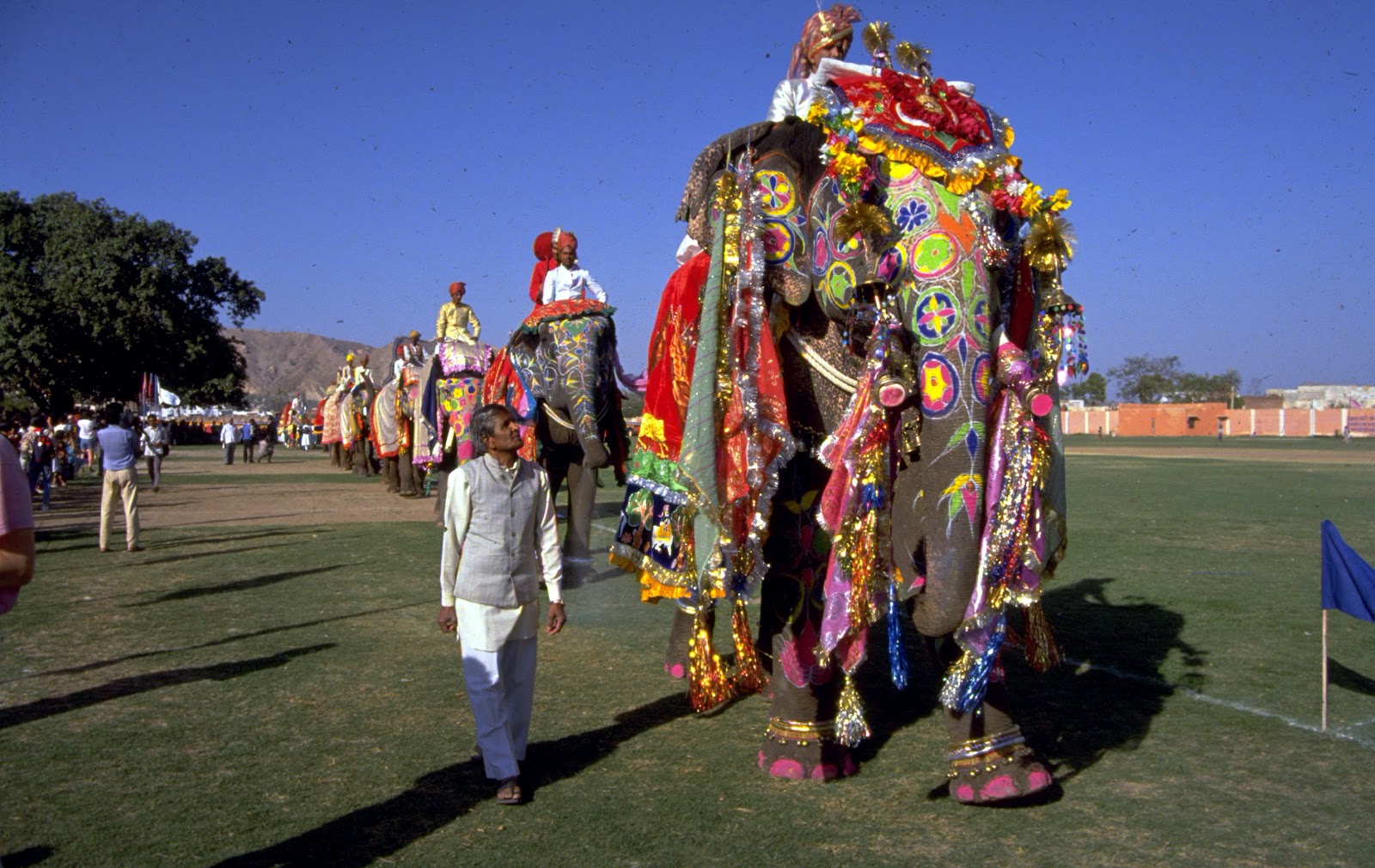
Marwar Festival- In this festival you can enjoy all types of folk dances of Rajasthan; and is celebrated in the month of October in Jodhpur.
In short it can be well said that there are chains of festival in Rajasthan which continues for whole year. By visiting this festival you can easily take glance of Rajasthan culture.
Subscribe to:
Posts (Atom)